
The fascinating journey of gambling through the ages
The Origins of Gambling
The journey of gambling traces back thousands of years to ancient civilizations, where the act of wagering was often intertwined with religious and cultural practices. Archaeological findings suggest that the earliest forms of gambling involved rudimentary dice made from animal bones. In ancient China, around 2300 BC, games of chance such as “Keno” appeared, reflecting an intrinsic human desire to take risks and test fortunes. These early games set the stage for the complex gambling systems we know today, including platforms like jeetwinindia.

As societies evolved, so did gambling practices. In ancient Rome, for example, citizens engaged in betting on gladiatorial contests, which highlighted not only the entertainment value of gambling but also its societal implications. The Romans created a variety of gambling games, some resembling modern-day dice and board games, demonstrating how gambling transitioned from simple pastimes to organized forms of entertainment. This evolution indicates that gambling was not merely a pastime but a pivotal aspect of social interactions.
By the Middle Ages, gambling had taken on even more significance in various cultures. In Europe, card games began to emerge, further enhancing the complexity of gambling activities. The introduction of playing cards, believed to have originated in China and spread through the Silk Road, transformed gambling into a more strategic endeavor. This period marked the beginning of organized gambling establishments, as taverns and private homes became popular venues for card games, laying the groundwork for future casinos.
The Rise of Casinos
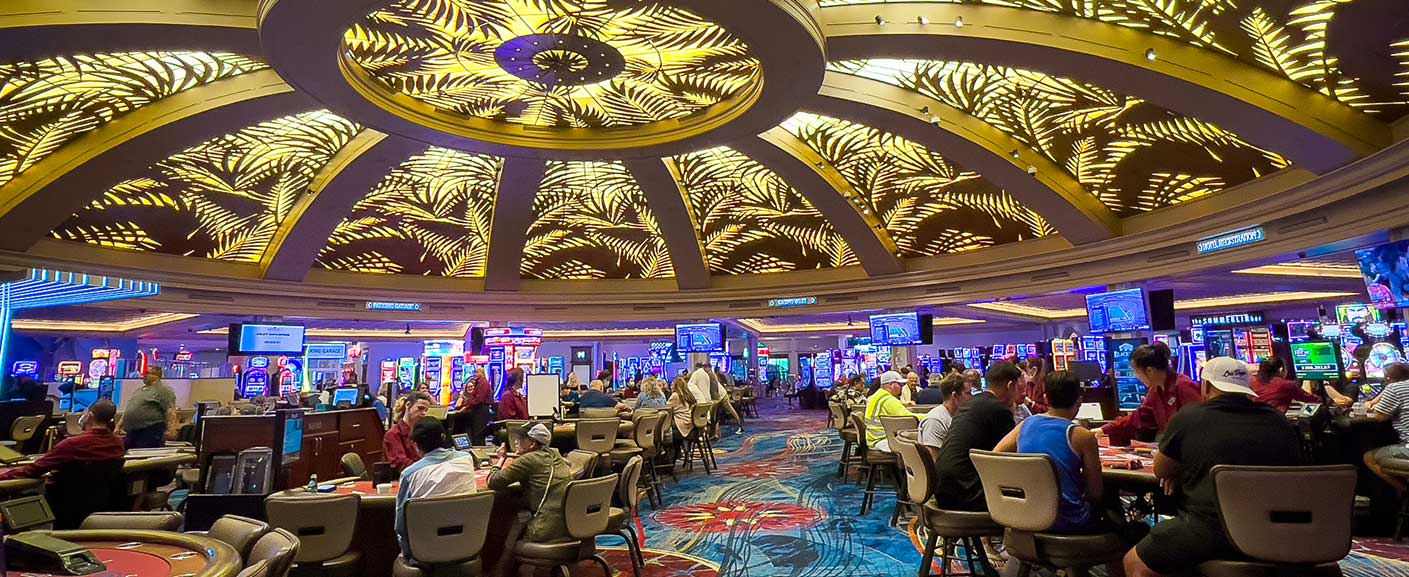
The 17th century marked the formal establishment of the casino concept, particularly in Italy. The first casino, known as the Ridotto, opened in Venice in 1638, providing a legal venue for gambling and introducing a new era of organized gaming. This establishment set a precedent, as it offered a regulated environment for individuals to partake in games of chance, leading to a surge in popularity across Europe. The Ridotto provided not only games but also a social environment, attracting the elite and contributing to the culture of gambling as a respectable leisure activity.
As the concept of casinos spread, so did innovations in gambling games and regulations. The introduction of the roulette wheel in France in the 18th century showcased the fascination with chance and luck. Various types of betting emerged, catering to a wide range of players, from the novice to the seasoned gambler. This evolution led to the establishment of numerous casinos throughout Europe, particularly in Monte Carlo, which became synonymous with luxury and high-stakes gambling.
The expansion of casinos reached America in the 19th century, with the introduction of gambling establishments in places like New Orleans and San Francisco. The Gold Rush era not only attracted fortune seekers but also gamblers eager to try their luck. This period solidified gambling as an integral part of American culture, with casinos evolving to offer a combination of gaming and entertainment, paving the way for the modern casino experience we recognize today.
The Impact of Technology on Gambling
The technological advancements of the 20th and 21st centuries revolutionized the gambling landscape. The introduction of slot machines in the early 1900s offered a simple yet engaging gambling experience, becoming a staple in casinos worldwide. These machines, with their colorful designs and enticing sounds, attracted a diverse audience and contributed to the growth of gambling revenues. Their popularity spurred the development of more complex gaming machines, incorporating technology that appealed to a younger demographic.
The rise of the internet in the late 20th century marked another turning point in gambling history. Online casinos emerged, allowing players to engage in games from the comfort of their homes. This shift not only broadened access to gambling but also introduced various gaming options that were previously unavailable. Players could now experience traditional casino games, slot machines, and poker tournaments online, all with a click of a button. This development transformed the gambling industry, leading to significant revenue increases and changes in consumer behavior.
Mobile technology further propelled the gambling industry into a new era. With the advent of smartphones, players can now enjoy their favorite games anywhere and anytime. Mobile apps designed for gaming have made it more convenient for users to access a multitude of gambling options, from sports betting to live dealer games. This accessibility has expanded the player base, attracting individuals who may have been reluctant to visit traditional casinos. The integration of advanced technologies continues to shape the future of gambling, promising even more innovative experiences.
The Social and Economic Implications of Gambling
The rise of gambling through the ages has had profound social and economic implications. For many societies, casinos and gambling establishments have become significant sources of revenue, contributing to local economies through job creation and taxation. The revenues generated from gambling can fund public services, including education, infrastructure, and healthcare, demonstrating the potential benefits of a regulated gambling industry.
However, the societal impacts of gambling are complex, encompassing both positive and negative aspects. While many individuals enjoy gambling as a form of entertainment, others may struggle with addiction and its associated consequences. Responsible gambling initiatives have emerged to address these challenges, emphasizing the importance of awareness and support for those affected by gambling-related issues. These programs aim to create a balanced approach to gambling, ensuring that its benefits do not overshadow the potential risks.
The perception of gambling has also evolved over time. Once viewed as a vice, gambling is increasingly recognized as a legitimate form of entertainment and leisure activity. This shift in societal attitudes is evident in the growing acceptance of casinos, sports betting, and online gambling platforms. As more countries and states consider legalizing various forms of gambling, the conversation continues to evolve, reflecting a changing culture surrounding gaming and risk-taking.
Jeetwin: A Modern Approach to Gaming
Jeetwin has emerged as a leading online gaming platform, particularly catering to the preferences of Indian players. Established in 2017, Jeetwin combines the thrill of gambling with a commitment to user experience. Operating under a Curaçao license, the platform offers a variety of games, including slots, live casino options, and sports betting. This diversity allows players to engage in different types of gambling, ensuring that there is something for everyone.
One of the standout features of Jeetwin is its emphasis on security and user-friendly interface. Players can navigate the platform easily, making their gaming experience enjoyable and seamless. The site also offers generous bonuses, enhancing the appeal for both new and returning users. With payment options tailored to local preferences, Jeetwin provides a convenient and accessible environment for its players, ensuring that they can enjoy their favorite games without hassle.
Customer support is a priority at Jeetwin, reflecting the platform’s dedication to providing a positive gaming experience. The platform ensures that players can easily reach out for assistance, whether they have questions about games or need help with transactions. By focusing on user satisfaction, Jeetwin stands out in the competitive online gaming market, promising a captivating and secure gambling experience for players around the world.